
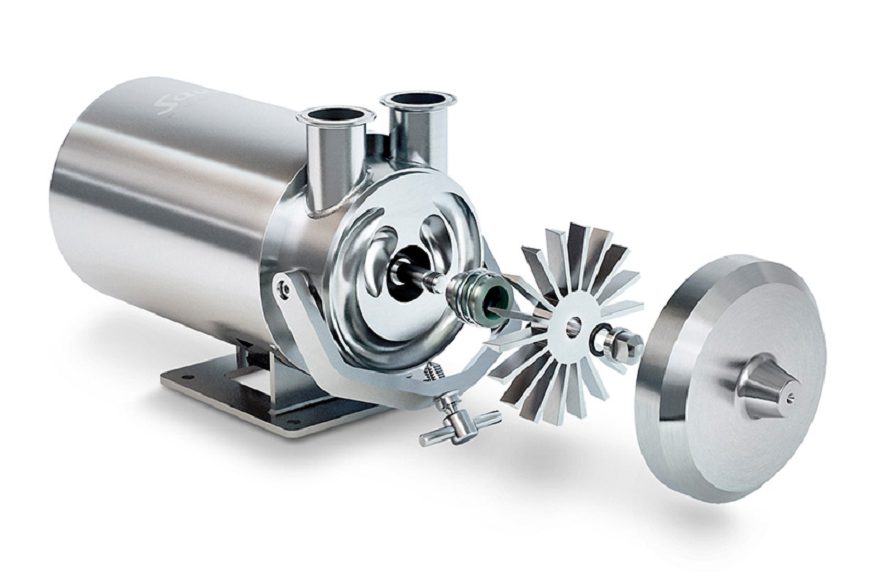
In the complex world of food manufacturing, the texture, consistency, and quality of the final product are rarely accidental. They are the result of precise engineering, where the movement of high-viscosity fluids is managed with extreme accuracy. Whether you are tempering confectionery coatings or managing a multi-lane filling operation, the infrastructure used to transport ingredients—specifically those handling cocoa-based products—is a critical component of factory efficiency. Achieving success in this sector requires a sophisticated understanding of chocolate pumps and flow dividers, two technologies that dictate the rhythm and reliability of the production line.
The Technical Demands of Pumping High-Viscosity Fluids
Transporting molten ingredients presents challenges that standard industrial liquid pumps simply cannot address. Materials like melted cocoa mass, ganache, and tempered couverture are non-Newtonian fluids; their viscosity changes based on temperature, shear rate, and time. If a pump is not specifically engineered for these properties, it risks creating internal friction that can “burn” the product, alter its crystal structure, or cause clogs that bring the entire line to a standstill.
Why Precision Matters for Product Integrity
When moving delicate ingredients, the goal is consistent volumetric output without causing structural damage. Industrial-grade chocolate pumps are typically designed as positive displacement units. Unlike centrifugal pumps, which rely on impeller velocity, positive displacement technology traps a specific volume of fluid and moves it through the system at a constant, controlled rate. This ensures that the shear stress applied to the product remains minimal. For manufacturers, this level of control is non-negotiable; maintaining the integrity of the cocoa butter crystals is essential for ensuring the final product achieves the desired “snap” and sheen upon cooling.
Read More: How Demolition Crews Keep Projects Safe from Start to Finish
Thermal Management and System Design
Beyond moving the fluid, these systems must maintain strict thermal regulation. Most modern pumping stations for confectionery utilize jacketed housings. By circulating warm water or food-grade oil through the pump’s outer casing, operators can ensure that the internal temperature remains uniform. If the temperature drops even slightly, the fats can solidify, leading to increased pressure and potential mechanical fatigue. Advanced pumping systems act as the heart of the facility, ensuring that the material reaches the nozzle or mold at the exact temperature required for high-speed automated packaging.
Streamlining Production with Integrated Flow Dividers
While the pump provides the motive force, the distribution of that material is where the complexity truly increases. In a large-scale manufacturing environment, one primary supply line often needs to feed multiple deposition heads or cooling tunnels simultaneously. This is the primary domain of flow dividers, which serve as the “traffic controllers” of the production line.
Ensuring Uniformity Across Multiple Lanes
In a typical manufacturing setup, you might have one main header pipe that needs to feed four or eight separate depositor heads. If the distribution is left to gravity or basic T-junctions, the heads closest to the pump will receive higher pressure than those further down the line. This leads to inconsistent weights and variable fill levels across the product batch.
A well-engineered flow divider solves this by mechanically splitting the main intake stream into precise, equal outputs. By synchronizing the flow rate across all lanes, the entire system can operate at a higher output speed without needing constant recalibration. This is especially vital when working with high-value ingredients where even a minor variation in weight per unit can lead to significant material waste and increased costs over a long production run.
Enhancing Scalability in Modern Facilities
As production volumes grow, the ability to expand without re-engineering the entire plumbing architecture becomes vital. Modern systems allow for the modular addition of lanes using high-precision distribution manifolds. These units don’t just split the product; they maintain constant backpressure. This stability allows the upstream chocolate pumps to run at a steady, efficient speed, reducing mechanical wear and optimizing energy consumption. When the flow is balanced correctly, the entire processing line operates with the harmonic consistency necessary for high-volume consumer goods manufacturing.
Maintenance Strategies for Sustained Performance
The longevity of a processing line depends heavily on the rigor of the facility’s maintenance protocol. In environments where temperatures are high and the product is viscous, mechanical components are subjected to significant operational stress.
Preventive Maintenance for Pump Reliability
Regularly scheduled inspections for chocolate pumps should focus on seal integrity and rotor clearance. Because these units handle food-grade materials, seals must be inspected for any sign of hardening or particulate ingress that could compromise hygiene standards. Furthermore, monitoring the power draw of the pump motor can provide early warning signs of internal buildup. If the motor is pulling more amperage than usual, it often indicates that the internal clearances are narrowing due to residue, signaling that a “clean-in-place” (CIP) cycle is overdue.
Calibration Cycles for Flow Dividers
The components responsible for splitting the product flow require less maintenance than pumps, but their calibration is equally important. Over time, slight drifts in valve alignment or wear in the distribution gears can lead to subtle imbalances. Operators should perform weight-check samples at the beginning and middle of every shift. If any lane shows a variance that exceeds established tolerances, it serves as an indicator that the distribution manifold may require a diagnostic sweep to ensure all internal pathways are clear and operating at optimal efficiency.
The Role of Material Science in Processing Infrastructure
The materials used to construct the transfer system directly impact the quality of the end product. Food safety regulations necessitate the use of high-grade, non-reactive stainless steel, typically finished to an electro-polished surface. This smoothness is not just for aesthetic reasons; it is critical for preventing the adhesion of cocoa solids.
By utilizing components that feature low-friction internal geometries, plants can significantly reduce the pressure required to move product, which in turn reduces the energy demand of the chocolate pumps. Furthermore, when coupled with modern distribution technology, these smooth-flow systems prevent the accumulation of residual material that can harbor bacteria or create off-flavors over time.
Read More: 5 Essential Tips for Upgrading Your Home
Conclusion: Balancing Speed and Precision
The modern confectionery plant is a testament to the power of precise, repeatable engineering. The ability to produce thousands of high-quality items per hour relies entirely on the efficiency of the underlying infrastructure. By investing in high-quality chocolate pumps that preserve ingredient structure and implementing advanced flow dividers to manage distribution with surgical accuracy, manufacturers can achieve a level of operational stability that keeps their lines running smoothly.
Ultimately, these systems are about more than just moving fluid from one side of the factory to the other. They are about maintaining the controlled environment necessary to ensure that the final product consistently meets customer expectations. In a competitive market, the difference between a high-performing line and one that struggles with downtime is often found in the reliability of its pumps and the precision of its flow distribution. For plant managers looking to optimize output, understanding how these two critical elements interact is the first step toward a more efficient, profitable, and consistent production process.