
Rust is one of the most common enemies of metal. Whether it appears on tools, outdoor furniture, automotive parts, or industrial equipment, corrosion weakens surfaces, reduces functionality, and shortens lifespan. The good news is that rust can often be removed effectively with the right approach and materials.
Understanding how to remove rust from metal step by step helps preserve valuable items and prevent further damage. This comprehensive guide explains what causes rust, how to assess the severity, and which tools and techniques deliver the best results. By following a structured process, you can restore metal surfaces safely and efficiently.
Understanding Why Rust Forms
Rust forms when iron or steel reacts with oxygen and moisture in the environment. This chemical reaction, known as oxidation, produces iron oxide. Over time, this flaky, reddish brown substance spreads across the metal surface.
Humidity, rain, salt exposure, and poor ventilation accelerate rust formation. Outdoor items are especially vulnerable, but indoor metal surfaces can corrode as well if exposed to moisture.
Rust not only affects appearance but also weakens structural integrity. Addressing corrosion early prevents deeper damage and reduces the need for costly replacements.
Step One: Assess the Extent of Rust Damage
Before choosing a method, examine the affected metal carefully. Light surface rust appears as a thin layer and is relatively easy to remove. Moderate rust may involve deeper pitting, while severe corrosion can compromise the strength of the metal.
If the item has structural importance, such as load bearing components or machinery parts, ensure it remains safe to use after restoration. In cases of extreme damage, replacement may be the safest option.
For most household tools, fixtures, and equipment, rust removal is achievable with proper technique.
Step Two: Gather Necessary Materials
Effective rust removal requires the right tools and supplies. Depending on the severity of corrosion, you may need:
A wire brush or abrasive pad
Sandpaper in various grits
Protective gloves and eye protection
A rust remover solution
Cloths or sponges
A rust penetrating oil for seized parts
Primer and paint for finishing
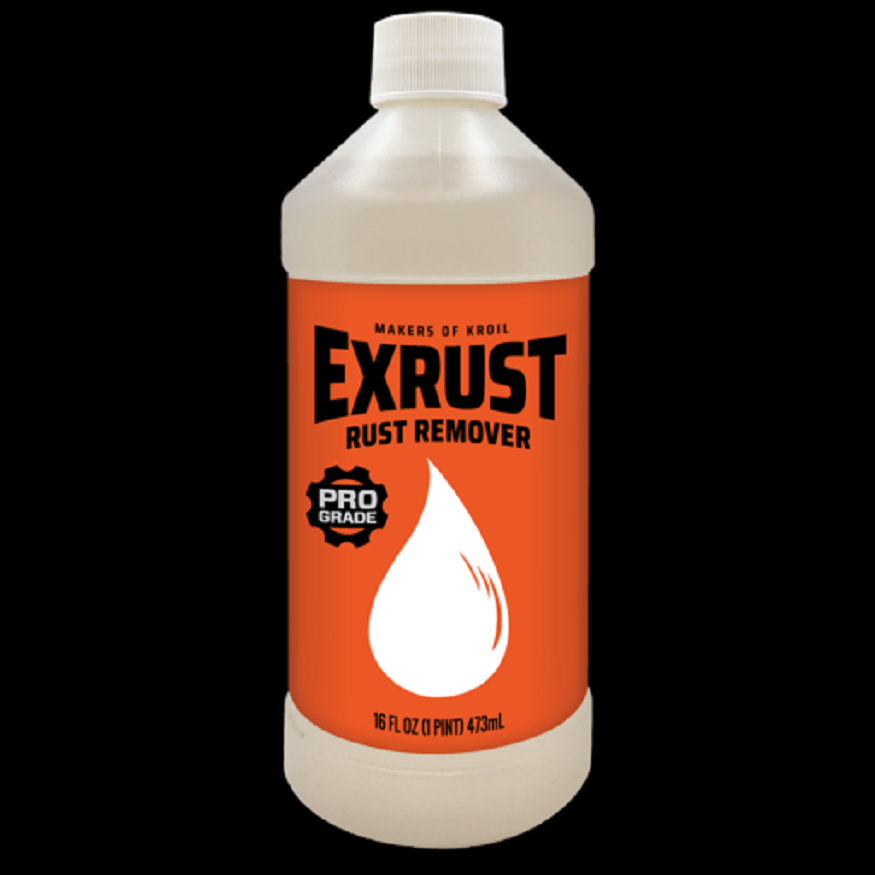
Choosing a suitable rust remover is essential. Chemical rust removers are designed to dissolve iron oxide and make cleaning easier. Some are liquid based, while others come in gel form for vertical surfaces.
If rust has caused bolts or fittings to seize, applying rust penetrating oil before attempting removal can prevent breakage and simplify disassembly.
Step Three: Clean the Surface
Begin by cleaning the metal surface thoroughly. Remove dirt, grease, and loose debris with soap and water. Dry the surface completely before proceeding.
Reab More: Understanding Financial Structures for Business Success with Michael Saltzstein
Cleaning ensures that the rust remover or abrasive method works directly on the corrosion without interference from contaminants.
For tools or machine parts, inspect moving components carefully. If parts are stuck due to rust, apply rust penetrating oil and allow time for it to seep into tight spaces before attempting to move them.
Step Four: Remove Loose Rust Mechanically
For light to moderate corrosion, mechanical removal is often the first step. Use a wire brush to scrub away loose rust flakes. Apply firm pressure but avoid damaging the underlying metal.
Sandpaper can help smooth the surface after brushing. Start with a coarser grit to remove heavier rust, then switch to a finer grit for smoothing. Continue until the surface feels even and most visible rust is gone.
Mechanical removal is effective for small areas and simple items such as hand tools or brackets.
Step Five: Apply a Rust Remover for Deeper Corrosion
When rust is more stubborn or covers a larger area, applying a rust remover can make the process easier. Follow the instructions provided with the product, ensuring proper ventilation and protective gear.
Apply the rust remover evenly across the affected area. Allow it to sit for the recommended time. The solution works by chemically breaking down iron oxide, loosening it from the metal surface.
After the waiting period, scrub the area gently with a brush or cloth. Rinse and dry thoroughly. You may need to repeat the process for heavily corroded surfaces.
Using a rust remover in combination with light sanding often produces the best results for moderate corrosion.
Step Six: Address Seized Parts with Rust Penetrating Oil
Rust can cause bolts, hinges, and joints to become immovable. Attempting to force them open without preparation can result in snapped fasteners or stripped threads.
Apply rust penetrating oil directly to the affected joint. Focus on the area where the parts meet. Allow sufficient time for the oil to penetrate and weaken corrosion bonds.
After soaking, gently attempt to move the component using the appropriate tool. If resistance remains high, reapply the oil and wait longer. Patience is key when dealing with seized metal parts.
Using rust penetrating oil before disassembly protects equipment and reduces the risk of damage.
Step Seven: Neutralize and Dry the Surface
After removing rust mechanically or chemically, rinse the metal surface with clean water if required by the rust remover instructions. Dry the surface completely to prevent new corrosion from forming.
Moisture left behind can quickly restart the oxidation process. Use a clean cloth and allow the item to air dry in a well ventilated space.
For large metal objects, consider using a fan to accelerate drying.
Step Eight: Protect the Metal from Future Rust
Once rust is removed, protecting the surface is essential. Bare metal is vulnerable to moisture and oxygen. Applying a protective coating extends the life of the item.
Depending on the application, you may choose to apply primer and paint. For tools and machinery, a light protective oil or specialized coating can help prevent corrosion.
Regular maintenance and inspection also play a critical role in prevention. Keeping metal dry and clean significantly reduces the likelihood of rust returning.
Natural Methods for Minor Rust
For minor surface rust, some household solutions may help. Vinegar and baking soda are commonly used for light corrosion. Soaking small items in vinegar can loosen rust, which can then be scrubbed away.
While natural methods are useful for mild cases, commercial rust remover products typically deliver faster and more consistent results for larger or more severe rust areas.
Common Mistakes to Avoid
When removing rust from metal, avoid these common errors:
Skipping protective gear when using chemicals
Using excessive force that damages the metal
Failing to dry the surface thoroughly
Ignoring preventive protection after cleaning
Each of these mistakes can reduce the effectiveness of your efforts or lead to recurring corrosion.
When to Seek Professional Help
In industrial or automotive settings, severe rust damage may require professional assessment. Structural components, engine parts, and safety critical equipment should be evaluated carefully before continued use.
Professional restoration services can address extensive corrosion using advanced techniques such as sandblasting or specialized treatments.
Rust may be persistent, but it is not unbeatable. By following a clear step by step approach, you can restore metal surfaces and extend their lifespan. From initial cleaning and mechanical removal to applying a rust remover and using rust penetrating oil for stuck parts, each stage plays an important role in effective restoration.
Taking the time to assess damage, use appropriate tools, and protect the surface afterward ensures lasting results. Whether working on household tools, outdoor furniture, or industrial components, understanding how to remove rust from metal empowers you to maintain and preserve valuable items with confidence.
With proper care and preventive measures, metal surfaces can remain strong, functional, and visually appealing for years to come.